
Published by Dr Tembisa Tini Inc · Updated
Clinical review pending: This expanded guide is awaiting Dr Tini’s review.
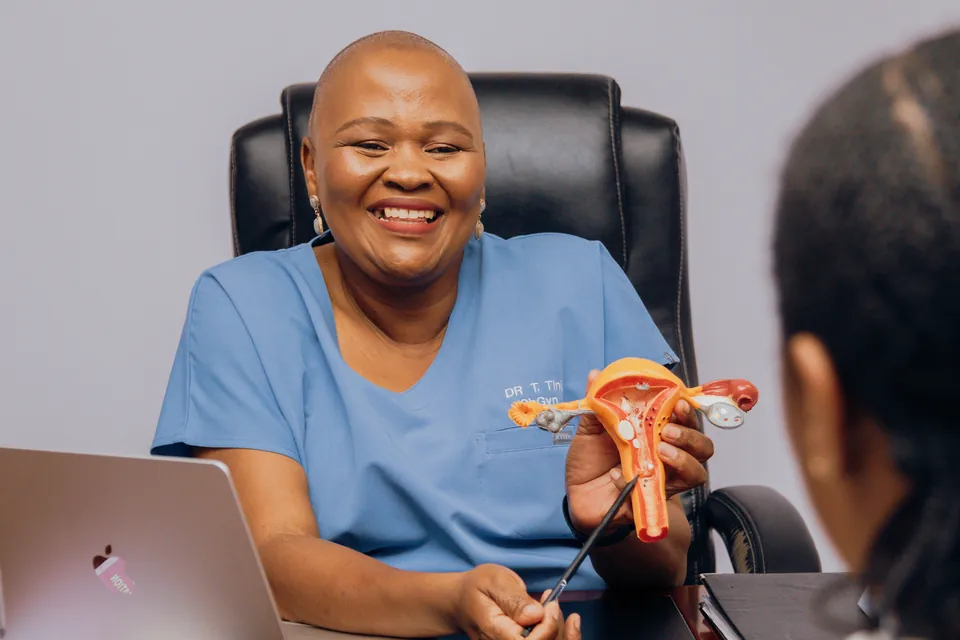
Physical recovery deserves attention
The weeks after birth involve recovery as well as caring for your baby. Bleeding, soreness, tiredness and changes in bladder or bowel function may be part of that experience. Tell your clinical team about symptoms that worry you or interfere with daily life.
If you have stitches or a surgical wound, follow the care instructions you were given. Ask before taking medicines if you are unsure about their use during breastfeeding. For recovery after an operation, see our Caesarean recovery guide.
Heavy bleeding, severe pain, chest pain, breathing difficulty or a painful swollen leg need urgent medical attention. Do not wait for a routine postnatal review.
Speak about mood, anxiety and adjustment
Emotional wellbeing is part of postnatal care. Ongoing low mood, loss of enjoyment, feeling unable to cope, persistent anxiety or difficulty sleeping even when you have the chance can be reasons to seek professional support.
Postnatal depression is a treatable health condition. It does not mean that you have failed as a parent. Speak to a healthcare professional if these feelings concern you or make daily life difficult; you do not have to wait for a scheduled check.
Thoughts of harming yourself or your baby require immediate help. Contact emergency services or seek urgent medical care, and ask a trusted person to stay with you while help is arranged.
Make practical support specific
It can be easier to accept help when the task is clear. Ask someone to prepare a meal, collect supplies, help with household work or accompany you to an appointment. Tell your support person what would make the next day more manageable.
Keep your own needs on the care list. A note on your phone or paper can help you remember questions about recovery, feeding, mood, sleep or the birth experience when you speak to the team.
Prepare for your postnatal conversation
Ask when and where your follow-up is planned. Bring discharge information and a list of concerns, including those that may feel personal or difficult to raise. You can ask to discuss physical recovery, emotional health, bladder or bowel symptoms, sexual health and contraception.
Explain what has improved, what has not, and what support you still need. Your recovery matters alongside your baby’s care.
Read about postnatal care at the practice or use practice contact details for routine arrangements. Urgent symptoms require a direct medical-care route.
Sources and further reading
These independent patient-information resources provide further background. Care pathways and services described overseas may differ from those in South Africa; your own clinical team will explain your plan.
- NHS — Your body after the birth
- NHS — Postnatal depression
- CDC — Urgent maternal warning signs and symptoms
Source links checked .