
Published by Dr Tembisa Tini Inc · Updated
Clinical review pending: This expanded guide is awaiting Dr Tini’s review.
First trimester: establish your care plan
Pregnancy is commonly described in three stages called trimesters. They provide a broad way to understand change over time, while your actual care is planned in weeks and according to your health.
Early care may focus on confirming and dating the pregnancy, reviewing your history and discussing symptoms, medicines and initial investigations. Bring previous pregnancy records and a list of questions to your first antenatal appointment.
Ask which appointments or tests need to be arranged now. An overview online cannot determine the right schedule for your pregnancy.
Second trimester: understand tests and changes
As pregnancy progresses, discussions may include development, scans and your own wellbeing. Keep track of investigations that have been recommended, when results are expected and which questions remain unanswered.
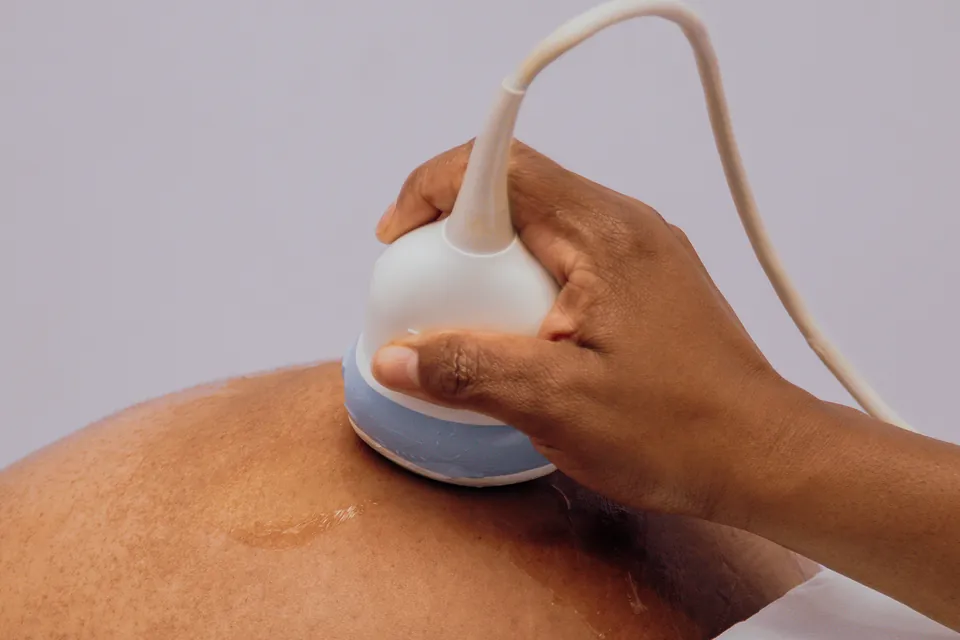
Pregnancy screening can involve blood tests and ultrasound. It helps assess the chance of certain conditions, but a screening result is not always a diagnosis. The benefits, limitations and possible next steps should be explained before you decide. See our pregnancy scan information for questions to raise.
Third trimester: prepare for birth and follow-up
Later conversations increasingly focus on birth arrangements, preparation and your individual care plan. Use appointments to check who to contact, where to attend and what to do if plans change. Our birth planning page can help you organise these questions.
Once you are feeling your baby move, become familiar with their usual pattern. If movements reduce, stop or change, contact your maternity service immediately. Do not wait until the next day or use a home heartbeat device for reassurance.
Your pregnancy may need a different plan
Previous complications, an existing condition, a multiple pregnancy or a new concern may affect the care recommended. The number and timing of appointments should be agreed with your own clinical team, rather than copied from an international checklist or another person’s experience.
- Keep appointment dates and test results together.
- Ask what each investigation is intended to answer.
- Confirm your routine and urgent contact arrangements.
- Review practical preparation before the next stage of care.
This guide supports a conversation with Dr Tini’s practice in Gqeberha (Port Elizabeth); it does not replace your individual instructions.
Sources and further reading
These independent patient-information resources provide further background. Care pathways and services described overseas may differ from those in South Africa; your own clinical team will explain your plan.
Source links checked .