
Published by Dr Tembisa Tini Inc · Updated
Clinical review pending: This expanded guide is awaiting Dr Tini’s review.
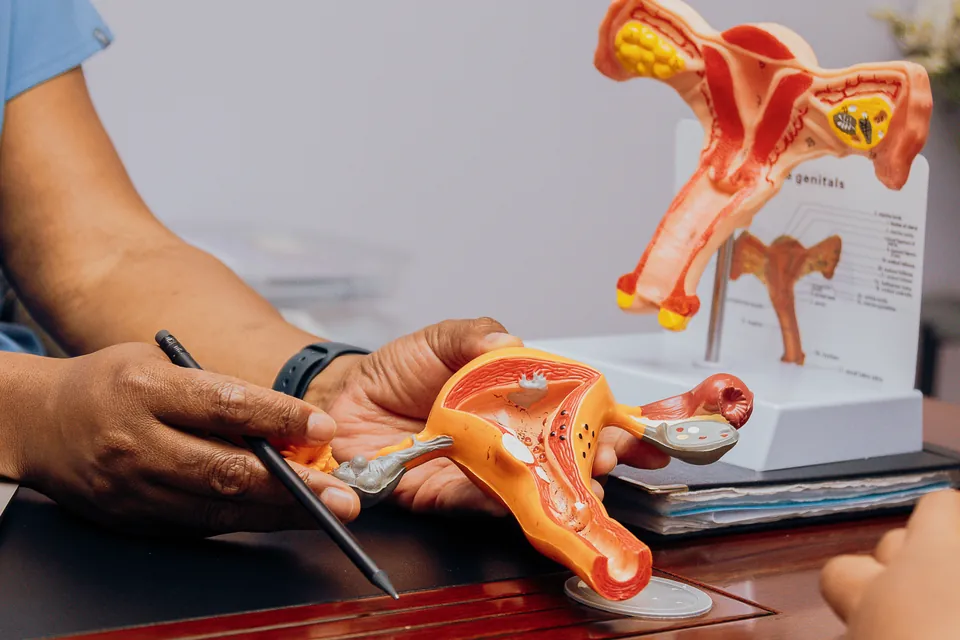
Discuss your birth preferences
Preparing for birth involves both a conversation about care and a practical plan for getting to the right place. A birth plan records your preferences and helps the team understand what matters to you. It should be discussed alongside your pregnancy history and clinical needs.
You may want to ask about support during labour, comfort and pain relief, communication, birth positions, early contact with your baby and feeding support. Ask which options are appropriate and available at the facility where your care is arranged.
Read our birth planning information before your visit and take a short written list of your priorities.
Prepare your documents and hospital bag
Use the hospital’s own instructions as your starting point. Keep pregnancy notes, relevant results, identification and any requested admission documents together. Confirm admission arrangements and medical-aid authorisation requirements with the relevant teams.
A practical bag may include comfortable clothing, toiletries, maternity pads, items for feeding and clothing for your baby. Pack what your facility asks for and check what it supplies. Make sure a support person knows where the bag and documents are kept.
Our hospital information page and patient forms help with the administrative preparation. Ask reception if you are unsure which documents apply to your care.
Know where to go and who to contact
Before the birth, confirm the correct facility, arrival point, contact numbers and instructions for labour or urgent concerns. Plan transport, a backup journey and any care needed for children at home.
- Who should you call before coming in?
- Where should you attend outside normal practice hours?
- What instructions apply if your waters break or symptoms change?
- What should your support person bring?
If you are given instructions for a planned procedure, follow those specific instructions, including any preparation requirements.
Keep room for changes
Preferences are useful even when birth takes an unexpected course. Ask how the team will explain a change in the plan, discuss options and involve you in decisions. A written plan cannot guarantee a particular type of birth.
Also think about the first days at home: transport after discharge, meals, household help and how follow-up will be arranged. Discussing these practical needs in advance can make the transition easier.
Sources and further reading
These independent patient-information resources provide further background. Care pathways and services described overseas may differ from those in South Africa; your own clinical team will explain your plan.
Source links checked .